Brand, Behaviour & Growth Strategist · Bengaluru

Mallika
Chatterjee

People are complicated.
Marketing should account for that.
I use consumer insight, behavioural psychology, creative strategy and data to understand why people choose, participate, return, refer — or disappear entirely.
Brand StrategyConsumer InsightsBehavioural MarketingGrowth
01 · The story


I learned marketing from the outside in.

I started by learning how brands communicate. I became obsessed with understanding what makes people respond.
Product & ContentHow is it presented?
GrowthWhat makes people discover it?
DigitalHow do we reach them?
Multi-brandHow should each brand show up?
ConsumerWhy do people participate?
StrategyHow do we make the next action feel natural?
Mallika Chatterjee

Brand, Behaviour & Growth Strategist.

I work at the intersection of consumer insight, behavioural psychology, brand strategy and growth — translating what people do into clearer decisions about what a brand should say, build or change next.

My background moves from product data and growth into content, digital brand, multi-brand strategy and enterprise customer behaviour. The common thread is simple: understand the human problem first.

Marketing should account for that. Not as a slogan. As a standard for how the work looks, lands and lives in memory.
Mallika Chatterjee, Brand, Behaviour & Growth Strategist
02 · How I think

Marketing gets much easier once you stop pretending people are rational.

People contradict themselves. Say one thing and do another. Ignore the obvious offer and respond to the strange one.

I like that part.
01

Who are we really trying to move?

Not the “25–40, affluent, urban” version. The person. What do they want? What do they already believe? What are they afraid of losing? What would make them feel seen?

02

What are they doing when nobody is asking them to?

Searches. Purchases. Scans. Referrals. Redemptions. Drop-offs. Silence. Behaviour before the campaign is often more useful than opinions about the campaign.

03

Where does the behaviour break?

Sometimes it is motivation. Sometimes trust. Sometimes effort. Sometimes the offer is perfectly fine and the journey is just annoying. That distinction changes everything.

04

What would make the next action feel obvious?

Not louder. Not more urgent. More relevant. A message, incentive, status, recognition, simplification, curiosity, social proof — or removing one unnecessary step.

05

Did people actually care?

Clicks are nice. Behaviour is better. Did they log in? Refer? Scan again? Visit? Redeem? Buy? Come back? “Engagement” only matters when we know what it moved.

06

What did the behaviour teach us next?

The first campaign gives you data. The second should give you better judgement. Observe. Segment. Adjust. Repeat. The dashboard tells me what happened; I care about what it means we should do next.

I don’t think people are unpredictable. I think we’re usually asking them the wrong questions.

Psychology taught me to question behaviour. Journalism taught me to find the story. Marketing taught me to turn both into action.

03 · Things I don't believe
The target audience is “25–40.”

That's an age bracket.

Not an insight.

“The campaign performed well.”

Compared with what?

“People love discounts.”

People love value. Those are not always the same thing.

“We need more engagement.”

Why?

03 · The road here

I didn’t arrive at brand strategy through one neat title.

I learned marketing from different ends of the problem: product data, growth experiments, content, performance, social, creators, brand systems and customer journeys. The titles changed. The instinct stayed fairly consistent — understand the audience, find the friction, shape the message, watch what people do next.

Catalog + data Growth + performance Content + lifecycle Digital + brand Multi-brand social Enterprise behaviour + customer strategy
Fleek

Where growth stopped being a buzzword.

Catalog Specialist · Dec 2021–Jul 2022 → Growth Associate · Jul–Dec 2022

I started close to the product — catalog quality, data accuracy, app compatibility and how information moved through the interface. Doing that well got me moved into Growth & Marketing.

  • Pioneered Telegram marketing and delivered 500% ROAS.
  • Built affiliate-led performance models and expanded reach across platforms.
  • Ran YouTube creator collaborations, checkout incentives and partner-led offers.
  • Fed user and partner feedback back into product and campaign decisions.
The lesson: growth gets interesting when channel, message, offer and product all talk to each other.
IntelliFlow.ai

Content taught me the message. Marketing taught me the system.

Content Writer · Jan–Oct 2023 · Marketing Manager · Mar–Oct 2023

My scope expanded from content into full-funnel marketing — Search Engine Marketing (SEM), display, social, email, customer research, testing and cross-functional alignment.

  • Built and optimised multi-channel campaigns using performance and customer insight.
  • Ran A/B tests across messaging, campaigns and landing pages.
  • Worked with Sales and Product to connect acquisition, feedback and conversion.
  • Used budget and KPI reviews to refine spend toward stronger ROI.
The lesson: the message is only one part of the machine. The hand-offs matter just as much.
Colive · Future Of Living

Brand is what happens when every channel feels like the same person.

Digital Marketing Manager · Oct 2023–Feb 2024

I led digital content and social across Instagram, Facebook, YouTube and LinkedIn, translating brand priorities into a more consistent publishing and production rhythm.

  • Increased social engagement by 30%.
  • Streamlined collaboration across Marketing, Product and Design.
  • Reduced content production time by 20%.
The lesson: consistency is not sameness. It is a recognisable point of view across different formats.
Represent Media

Different brands. Different problems. No copy-paste strategy.

Senior Marketing Associate · Jan–Aug 2024

This was where I learned to switch brand brains quickly. Real estate, furniture and interiors, co-working, F&B, hospitality and education all needed different answers.

  • Worked across brands including Dash Square, Brigade, The Hive Workspaces, Watson’s, Niro, Java Rain and Espresso Academy.
  • Built brand-specific social strategies around the actual objective — audience growth, engagement, corporate positioning or reputation.
  • Owned calendars, concepts, scripts, location shoots, static and short-form content.
  • Managed influencer identification, coordination and campaign execution, alongside CSR / purpose-led communication.
The lesson: a strategist should be able to hear a brand’s voice before writing a single line for it.
Catalog/data → growth → content → digital brand → multi-brand strategy → behavioural customer strategy.

That progression is why the enterprise case studies later in this portfolio are not a detour from my marketing career. They are where all those earlier muscles started working together.

Case 01 · EBCO Heartware

How do you turn an 80K-member database into measurable behaviour?

The end goal was never “engagement” for its own sake. The program needed to move members from registration into repeat product-linked activity, support product movement and give the business better downstream intelligence.

Business goal
Activation, frequency, product movement & customer intelligence.
Human problem
Registration did not guarantee login, scanning, redemption or repeat participation.
Intervention
RFM, lifecycle cohorts, behavioural campaigns, SKU pushes, win-back and channel intelligence.
Success measure
Logins, scanners, scan frequency, redemption, cohort movement and sales visibility.
Business value
A larger active base plus richer first-party signals for commercial and campaign decisions.
80,215REGISTERED MEMBERS
2.79MCOUPON SCANS
4.85×JAN → AUG MONTHLY SCANNING ACTIVITY
₹23Cr+PROGRAM-LINKED SALES REVENUE REPORTED BY EBCO TEAM
A database isn't an audience. Behaviour should shape communication — and the campaign needs to know which business behaviour it is trying to move.
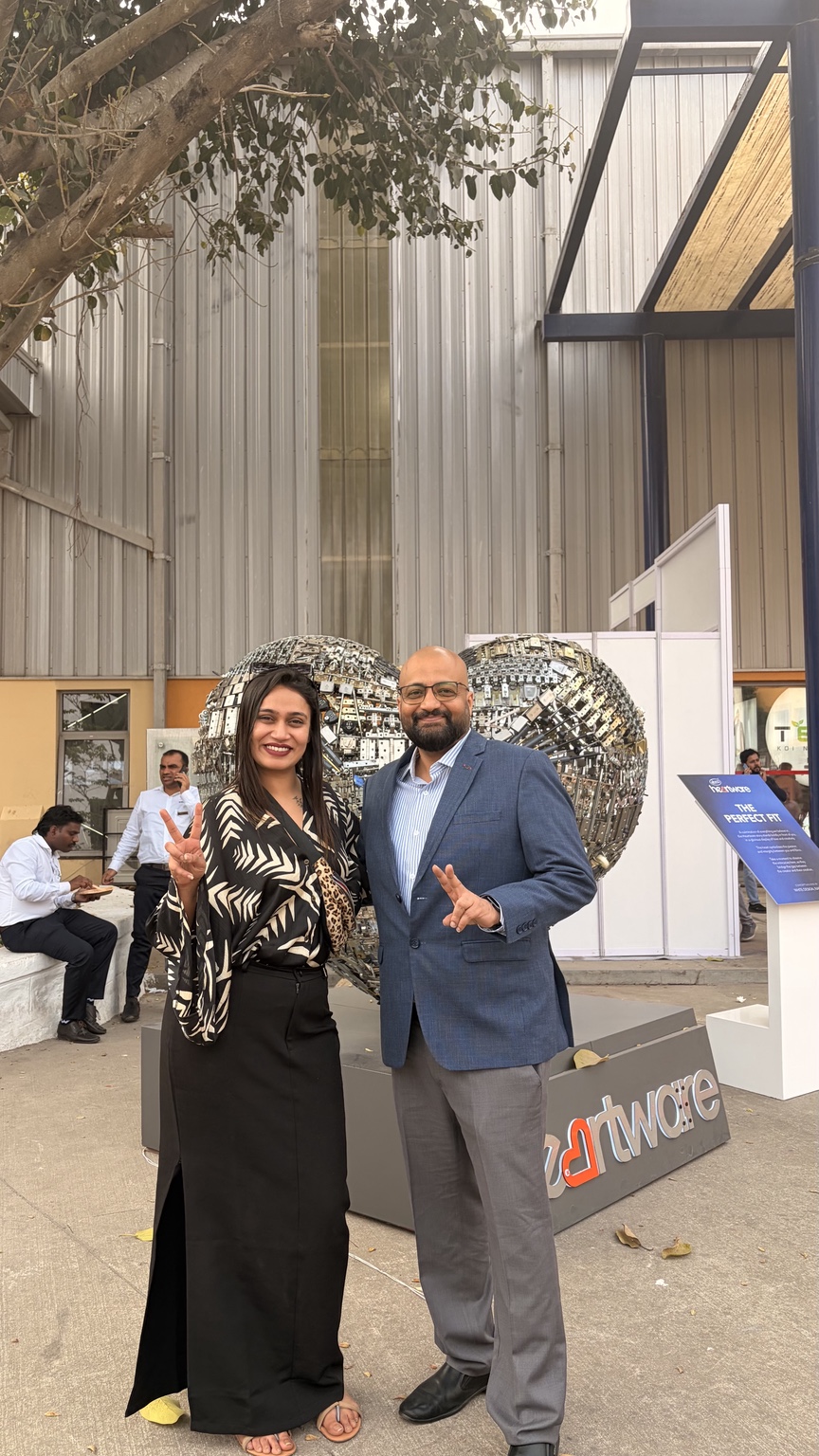
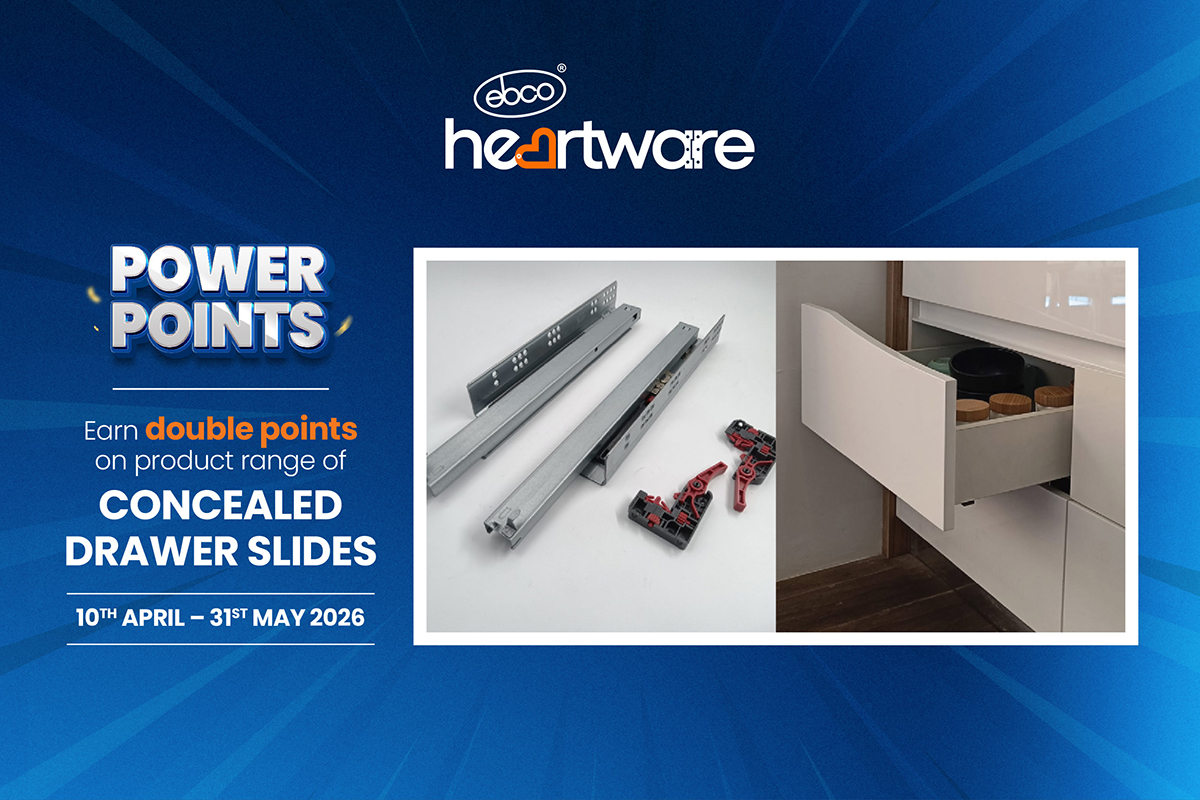
EBCO Heartware hardware-heart installation at IndiaWood
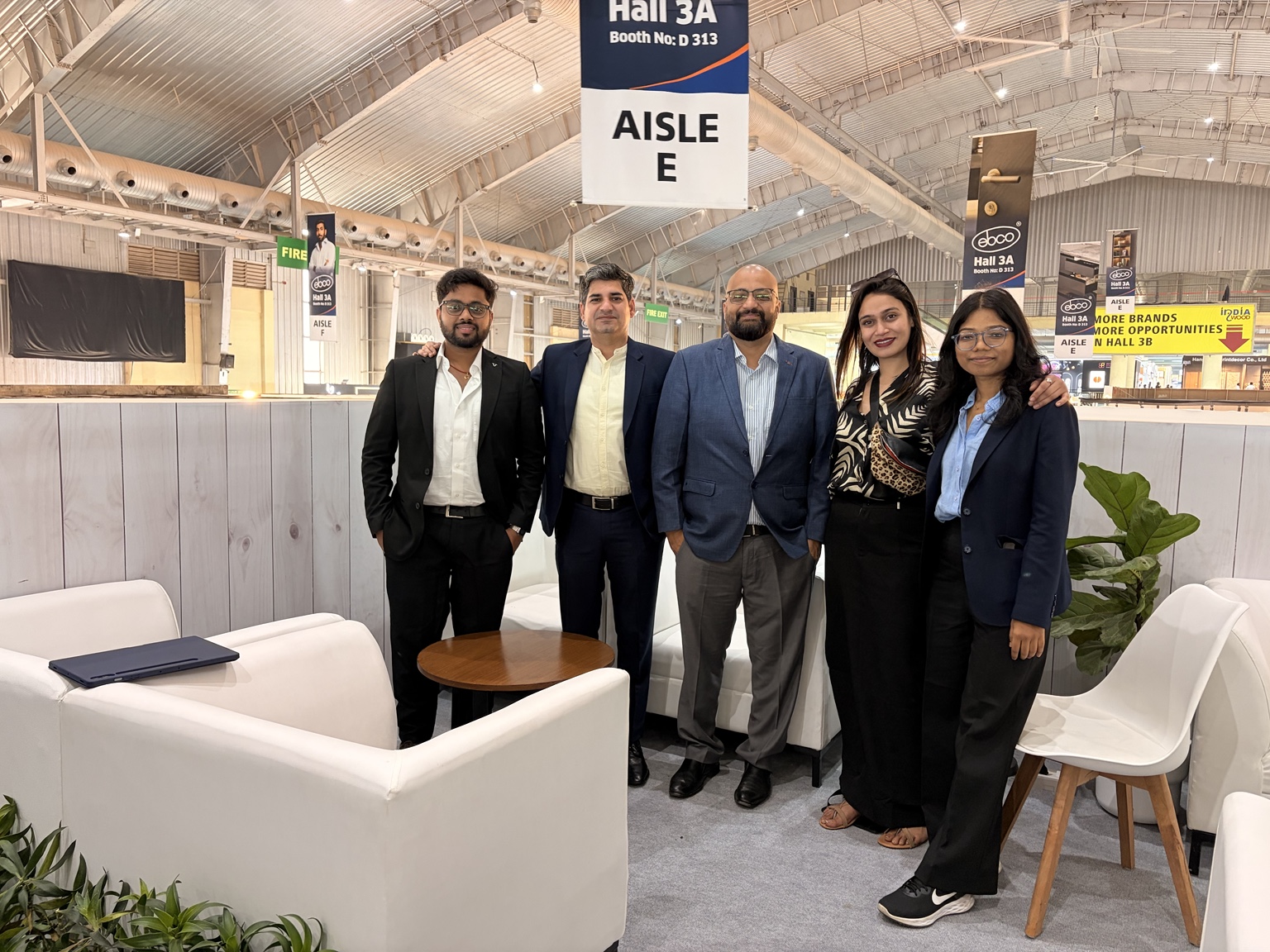
EBCO team at the IndiaWood industry meet

Campaigns with a job to do

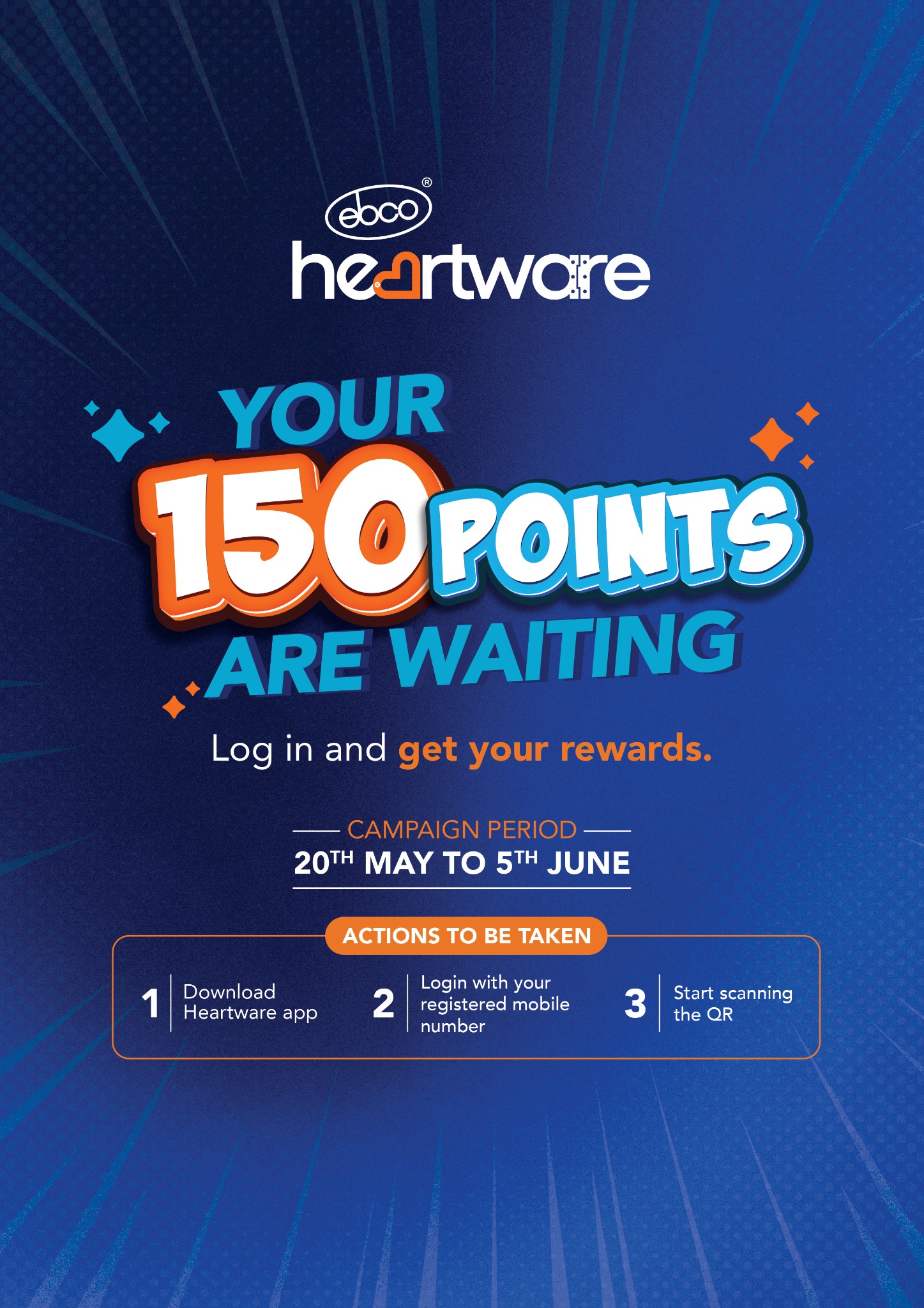
₹150 Wallet Ready

Goal: first login / first valid scan.
Why it mattered: convert dead registrations into reachable active members.

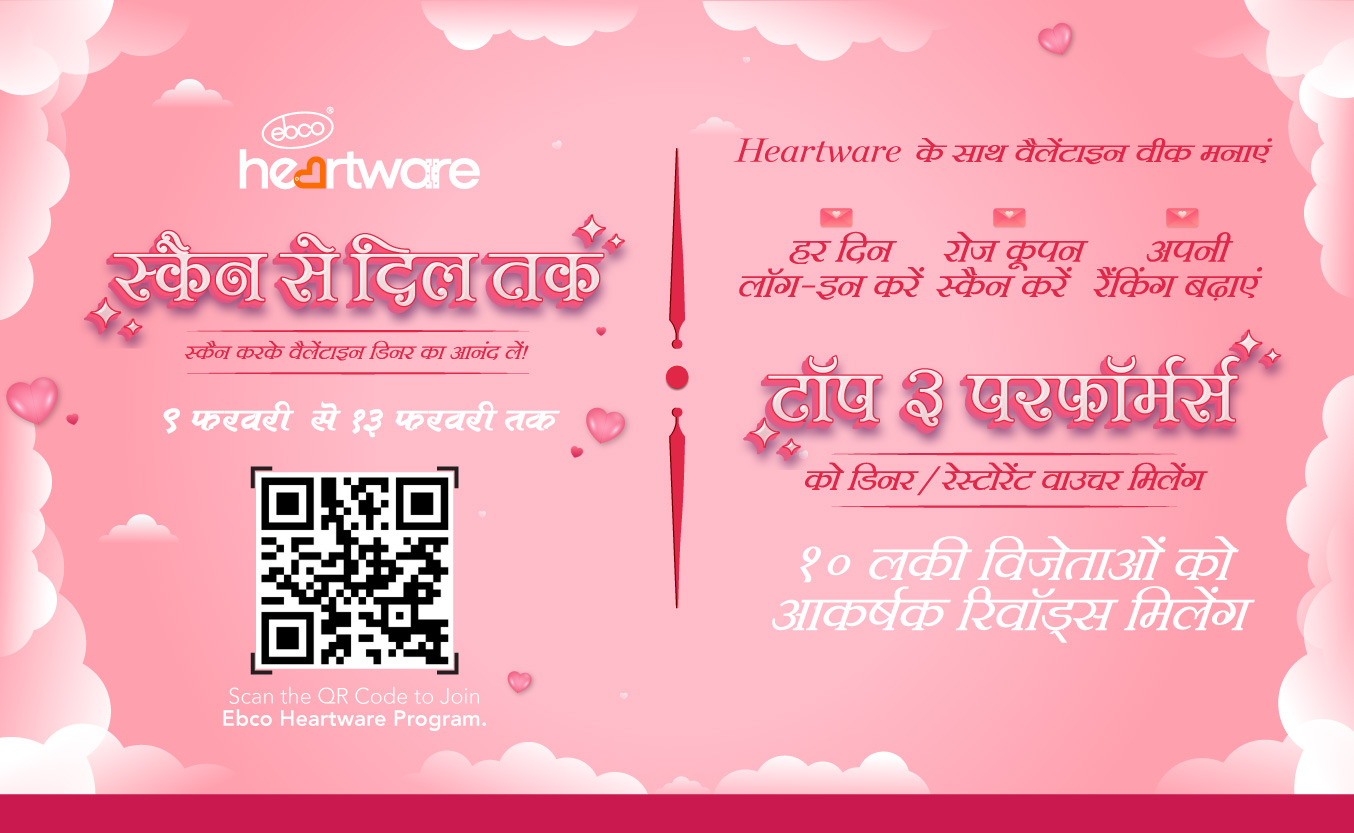
Scan Se Dil Tak

Goal: increase short-window scan frequency.
Why it mattered: increase participation intensity and identify responsive members.

Power Points

Goal: support a priority SKU range.
Why it mattered: use loyalty to influence product attention, not only generic engagement.

Comeback Bonus

Goal: reactivate dormant scanners.
Why it mattered: recover an already-acquired audience instead of repeatedly reacquiring it.

Forecast → cohort → campaign

On the dealer side, I used existing monthly sales performance together with the points issued against that activity to project upcoming-month performance. That forecast became an input into cohort and campaign planning: where to push, where to protect momentum, and where a behavioural intervention was more useful than another broad promotion.

Monthly dealer salesPoints issuedPerformance projectionCohort priorityCampaign decision

The point of the model was not prettier reporting. It was deciding what to do next.

Strategy eventually has to become something people see.

Program-level performance during my strategic involvement; campaign reads are stated only where attribution was available.

Consumer IntelligenceBehavioural StrategyLifecycle MarketingCampaign ArchitectureForecastingChannel IntelligenceTeam Enablement
Case 02 · Assetz Community Circle

How do you turn existing customers into a more relevant acquisition channel?

Real-estate referrals are high-consideration behaviour. The job was not simply to ask more often — it was to create relevance, momentum and a reason for an existing customer community to act.

Business goal
Referral → project discovery → site visit → booking.
Human problem
Generic referral asks ignore geography, project relevance, social proof and motivation.
Intervention
Geographic pools, project mapping, referral propositions, launch communication and community competition.
Success measure
Logins, validated referrals, enquiries, allocations, site visits and sales.
Business value
Turn an existing owner ecosystem into a more measurable acquisition and advocacy channel.
+129.8%VALIDATED REFERRALS · 568 → 1,305
+50.4%CUSTOMER LOGIN GROWTH
96.6%JUNE 2025 SITE-VISIT TARGET ATTAINMENT
9.9KAPPROX. REGISTERED-MEMBER ECOSYSTEM

Make relevance part of the referral strategy.

Customer base5 geographic poolsPriority project mappingLocal relevanceReferral propositionSite visit

Tracking the funnel beyond lead generation also exposed the next business problem: site-visit execution remained comparatively strong while sales attainment weakened, making post-visit conversion the next issue to solve.

Campaign system · The Circle Rises

Turn an individual referral into collective pride.

The Association Referral Championship reframed referral behaviour as community competition: residents referred through the Community Circle app, referrals added to an association leaderboard, and the highest-performing community competed for a lasting legacy installation and recognition.

Resident referralAssociation pointsLive leaderboardCommunity competitionLegacy reward

The behavioural job: move referral from private incentive to visible social proof, status and collective achievement.

From strategy to property storytelling.

For The Secret Lake, campaign expression moved between project discovery, lifestyle/USP storytelling, launch momentum and referral value — keeping the Community Circle relationship connected to live project demand.

Assetz Secret Lake sport teaser Assetz Secret Lake nature teaser Assetz Secret Lake lakeside teaser Assetz Secret Lake Miyawaki forest teaser

Selected expressions from The Secret Lake campaign across lifestyle, access and referral value.

Film & motion

Some stories need to move.

The Secret Lake was never just a list of USPs. Film let the campaign shift from information to atmosphere — access, lifestyle and place, felt before they were explained.

A referral campaign is not successful because somebody clicked “refer.” It matters when the program can connect attention to field action — and show where the commercial journey still breaks.
Real Estate MarketingCustomer StrategySegmentationReferral JourneyCampaign ArchitectureFunnel MeasurementProgram Evolution

On-ground expression

A community proposition becomes more persuasive when it feels inhabitable.

For Community Circle, the work could not stop at communication. It had to show up across the experience — in how the proposition was introduced, how it was hosted, and how customers encountered it in a premium, high-attention setting.

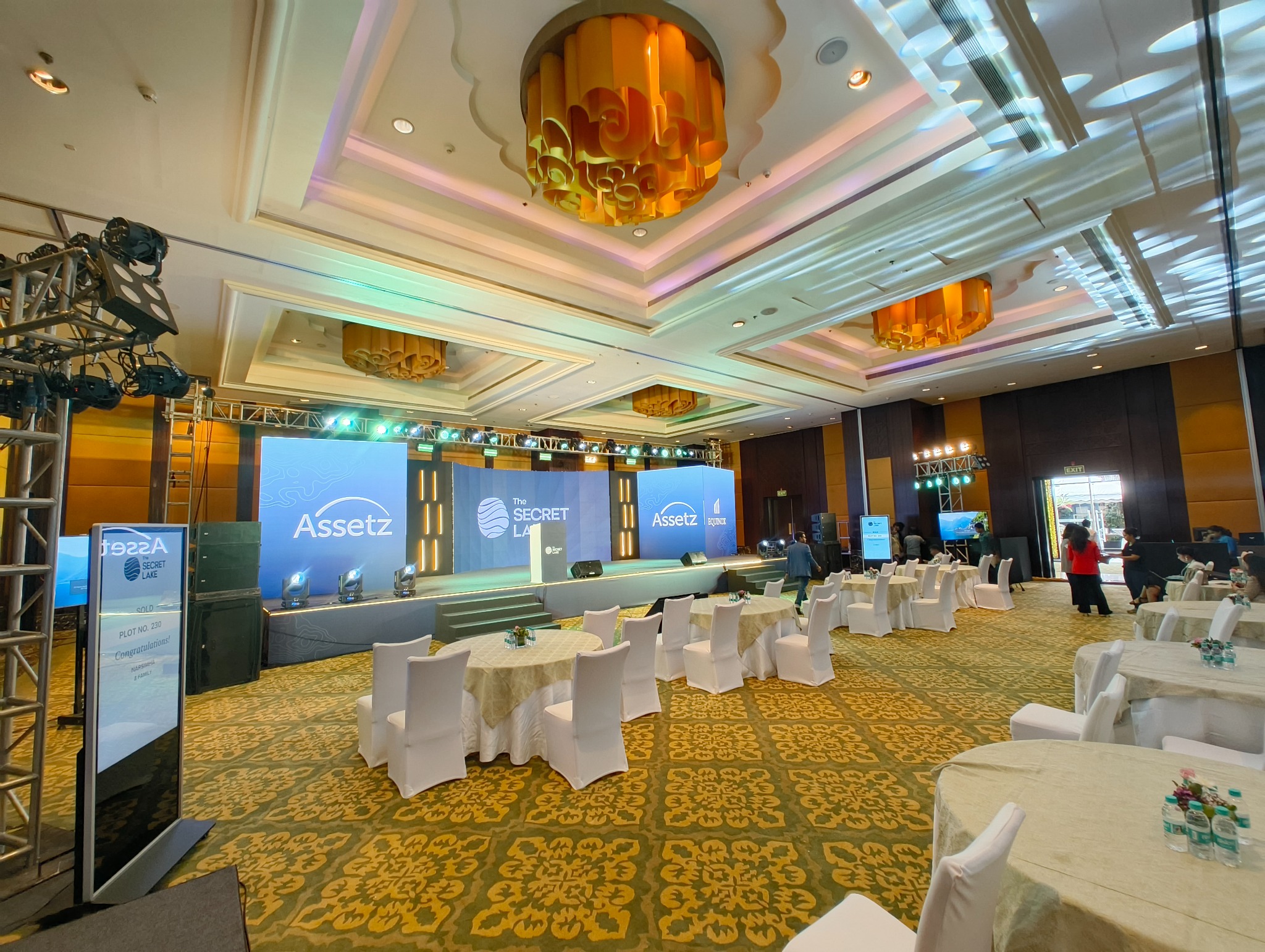
Assetz event setup with branded stage and launch environment
The launch environment turned the referral proposition into something visible, social and felt — not just read. The launch environment made the proposition visible, social and immediate.
Case 03 · Stylam

One brand. Three audiences. Three different reasons to care.

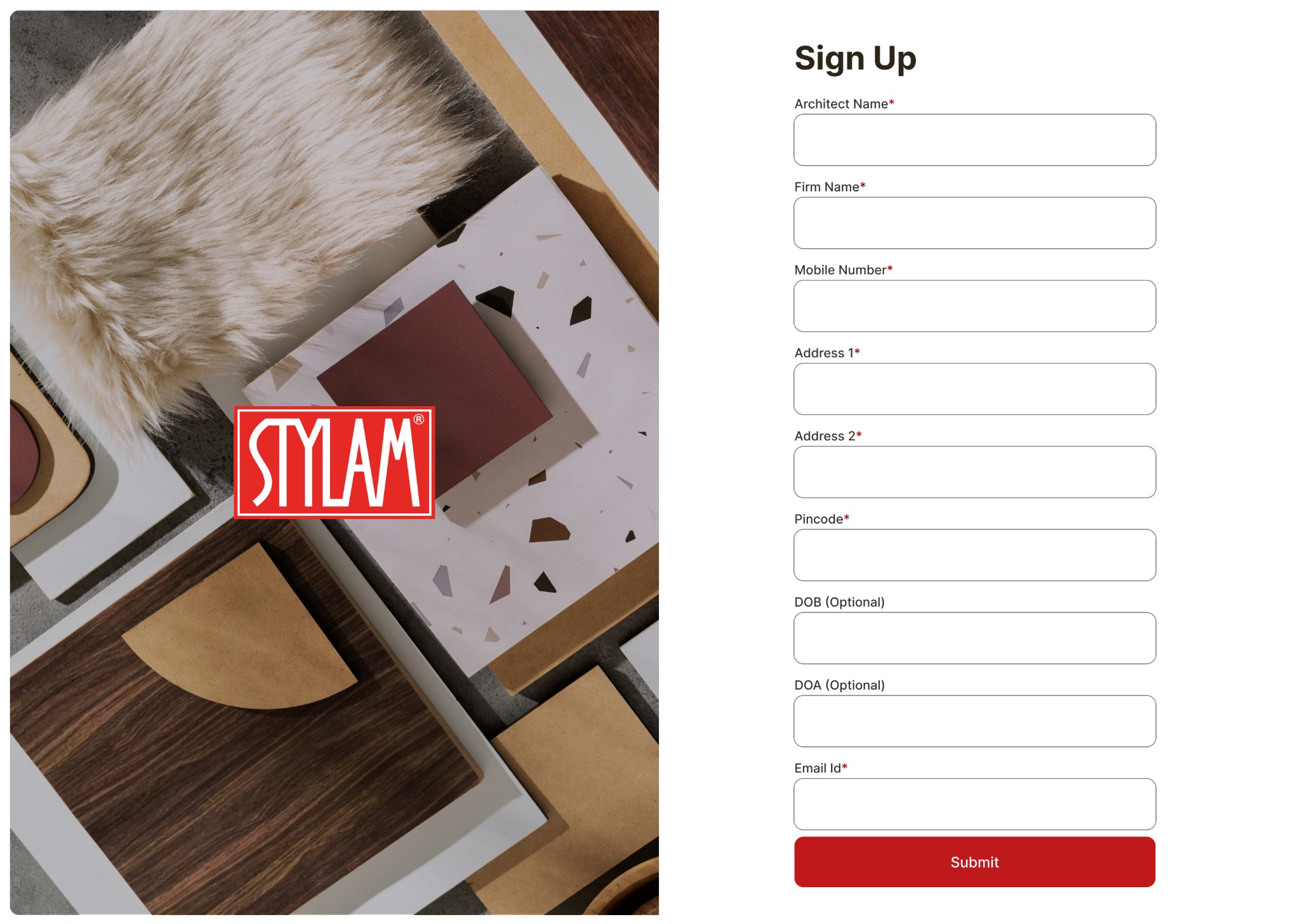
Stylam showed me what channel strategy really means: the same product could move through architects, retailers and contractors — but the behavioural job was completely different at every layer.

Architect

Build preference.
Recognition, design utility, product discovery, learning, aspiration and professional relevance.

Retailer

Make participation work.
Commercial visibility, hierarchy integrity, reward attribution and program recovery inside budget constraints.

Contractor

Make value obvious.
Scan → earn → redeem. Simple because simple was the right experience.

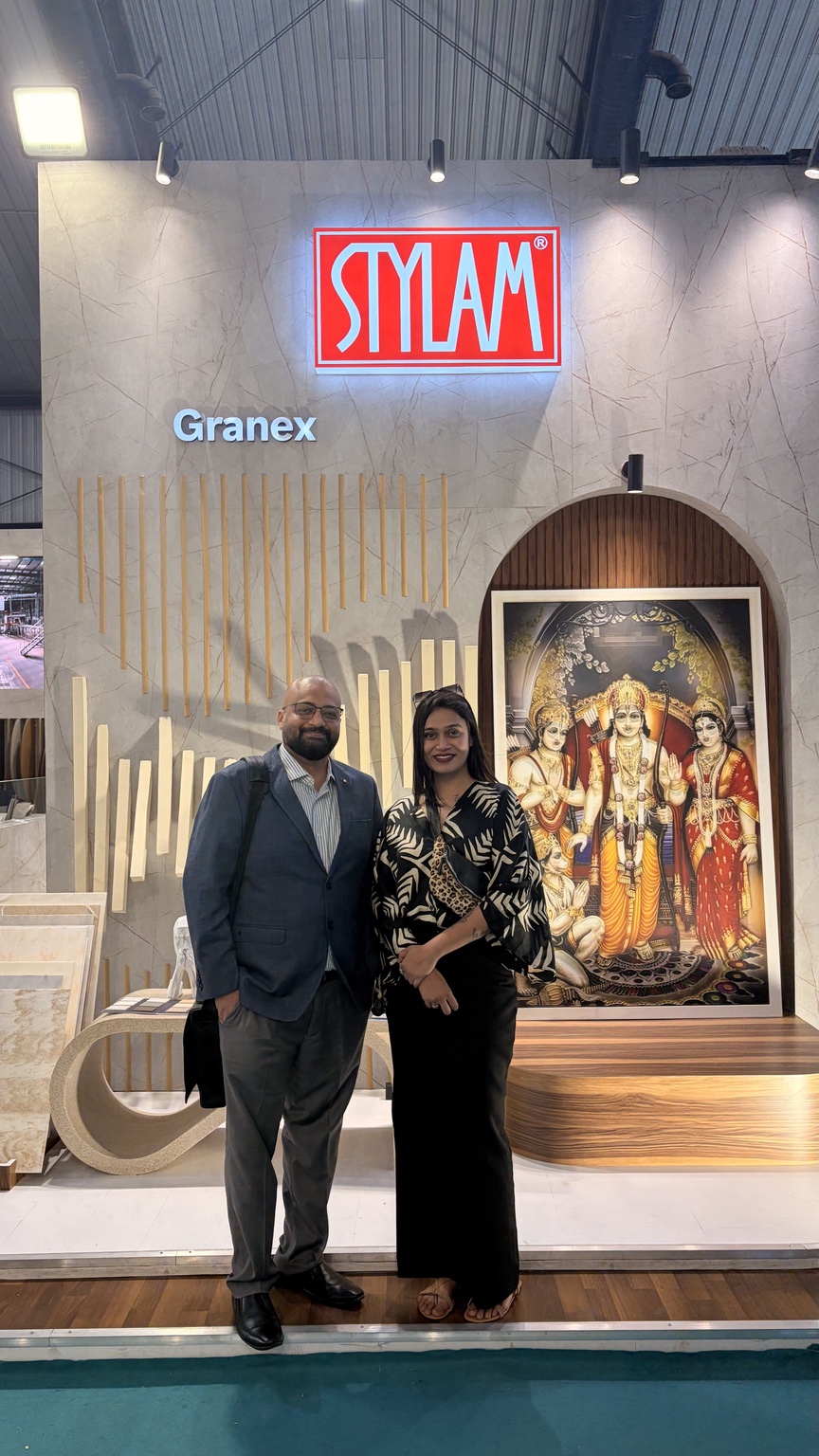
Stylam industry exhibition presence

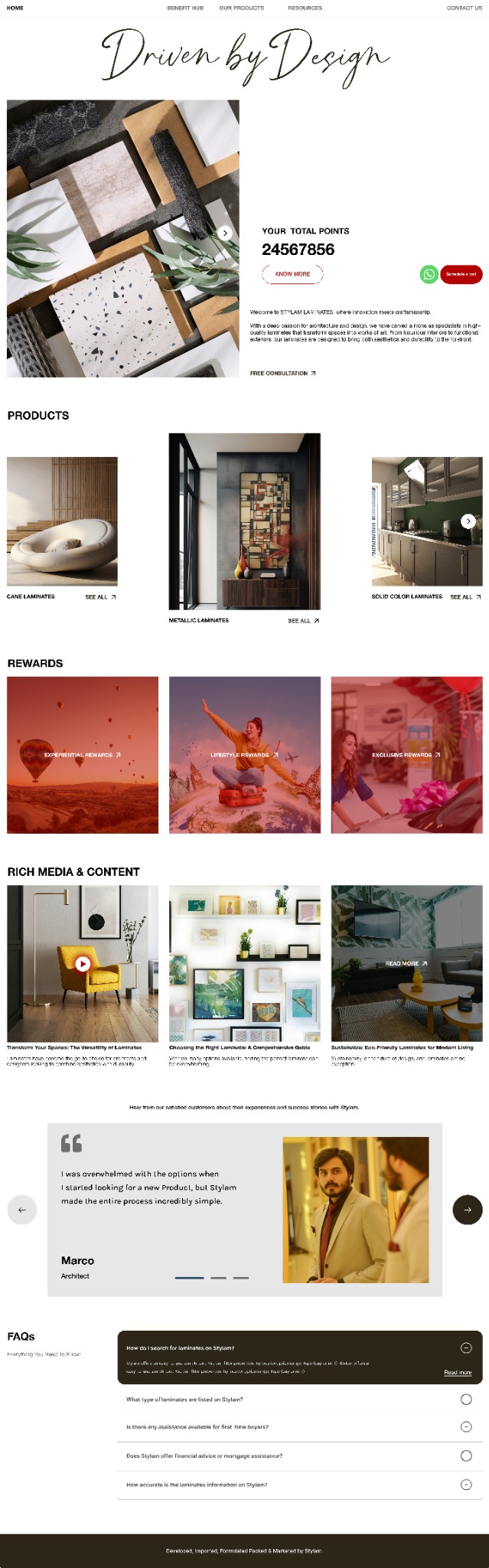
Driven by Design — architect engagement

I structured the phased UI/UX roadmap across onboarding, lead generation, rewards, tiering, Stylam Studio, product catalogue, learning, rich media and backend roles — with requirement gathering and stakeholder sign-off built into the process.

One scan. Multiple levels of value.

Contractor product-pack scans generated direct points for the contractor. The linked retailer sitting immediately above the contractor earned 8% of the contractor's earned points on each eligible QR scan. Pincode-based hierarchy mapping made the activity traceable, while the business hierarchy above the member layer gave sales teams and leadership an eagle-eye view.

Stylam product QRContractor earnsRetailer earns 8%Pincode hierarchySales visibilityLeadership intelligence

One action downstream. Value and intelligence upstream.

Retailer recovery: fix the system before asking the member to engage.

The retailer program carried long-standing friction around the Tally patch / integration layer. With the client unwilling to keep stretching budget, I was brought in to diagnose and recover the journey rather than keep adding expensive complexity. The retailer layer mattered because it connected downstream contractor activity with reward attribution and channel visibility.

Diagnose cohortsCalling / Helpdesk insightFix integration dependenciesRestore hierarchyReactivate membersMeasure movement
The same loyalty mechanic cannot serve every person who influences a brand. Good strategy starts by understanding what role they play, what motivates them and how much friction they're willing to tolerate.
Audience StrategyProgram ArchitectureArchitect PropositionRetailer RecoveryContractor JourneyUI/UX RoadmapChannel StrategyData Diagnosis
Case 04 · Nexon Raja 2.0

The scan was never the strategy.

The original program already had the transactional loop: purchase → scan → earn → redeem. My bigger win was designing what came after that — a contractor performance ecosystem built to increase frequency, shape product mix, reactivate dormant users and create enough status and progression to keep people coming back.

Business goal
Increase scan velocity, premium-SKU contribution, reactivation and channel sell-through.
Behavioural problem
Points alone reward a transaction. They do not automatically build habit, aspiration or repeat participation.
Strategic move
Build layers of progression, competition, boosters, missions, recognition and faster earn-to-burn.
Success measure
Active scanners, scan frequency, dormant reactivation, premium mix and earn-to-burn behaviour.
Business value
Turn loyalty from a points ledger into a lever for contractor behaviour and sell-through.
90-day success targets

Define the behaviour before you design the mechanic.

+30%Scan frequency target
+20%Premium SKU contribution target
+25%Dormant-user reactivation target
↑Earn-to-burn behaviour

Targets were defined as part of the Nexon Raja 2.0 roadmap — they are success criteria, not post-launch results.

From points program → performance ecosystem

Give every mechanic a job.

Belonging

Tier identity

Member → Silver → Gold → Elite, with higher earning velocity and visible progression.

Velocity

Monthly league

Region-wise leaderboards and recognition to turn scanning into competition rather than routine.

Progress

Milestone ladder

Progressive rewards designed to reduce drop-off after first redemption and keep members climbing.

Product mix

SKU boosters

2X windows, premium missions and time-boxed pushes to influence strategic product contribution.

Habit

Gamification engine

Streaks, badges, missions, surprise drops and progress meters to sustain attention between campaigns.

Aspiration

Elite Club

Invite-only recognition, access and soft benefits designed to create emotional lock-in at the top.

The flywheel

OnboardScan & earnEngageCompeteRedeemRetain

Activation triggers start the habit. Gamification sustains attention. Competition increases velocity. Fast redemption reinforces the value exchange. Recognition gives high performers a reason to stay.

Dormant reactivation

Don't wait for inactivity to become churn.

7 days inactive → nudge + mini mission.
14 days → booster window.
30 days → win-back reward.
Post-redemption drop → next-milestone reminder.

Campaign rhythm

Planned waves. Surprise spikes.

Quarterly campaign themes supported by micro-campaigns, SKU-specific double-point windows, streaks, missions and surprise drops.

The end experience

Then make sure the promise actually lands.

The UPI work sat at the end of the journey. Once contractor participation had been designed, redemption friction still had the power to break trust. I separately diagnosed recurring payout failures around identity and contact mismatches and drove the UPI-validation / UI redesign so successful engagement could end in a successful reward experience.

Nexon Raja 2.0

From points program to performance ecosystem.

The mechanic is never the strategy. The strategy is knowing which behaviour the mechanic is supposed to change.
Contractor Incentivisation Behavioural Strategy Competitive Benchmarking Program Architecture Gamification Roadmap SKU Strategy Lifecycle Reactivation KPI Design Stakeholder Pitching UPI Experience Redesign
Brand building · Elevatoz Origins

What if a B2B brand told better stories?

Elevatoz Origins logo

I conceived and launched Elevatoz's first-ever podcast — from the original pitch through guest strategy, outreach, research, conversation design, shoot preparation and launch across LinkedIn, YouTube, Instagram and owned channels.

ConceptBrandGuest researchOutreachConversation designShootLaunch
The best thought leadership doesn't begin by asking what the brand wants to say. It begins by finding a conversation people would actually want to hear.
Episode 01 · In conversation with Neha Sivaprakasam
The Behaviour Edit

Notes on brands, people, desire and the strange things that make us choose.

Let's talk

I like difficult marketing questions.

Why aren't they engaging? What would make them care? Is this a communication problem — or a behavioural one?

If your brand is asking questions like these, I'd like to be in the room.